Our History
The story of Nameless Cemetery is the story of the families who built this corner of the Texas Hill Country. From the 1860s settlers who cleared the land to the volunteers who restore headstones today, this ground has been held by community hands for over 160 years.
The Land
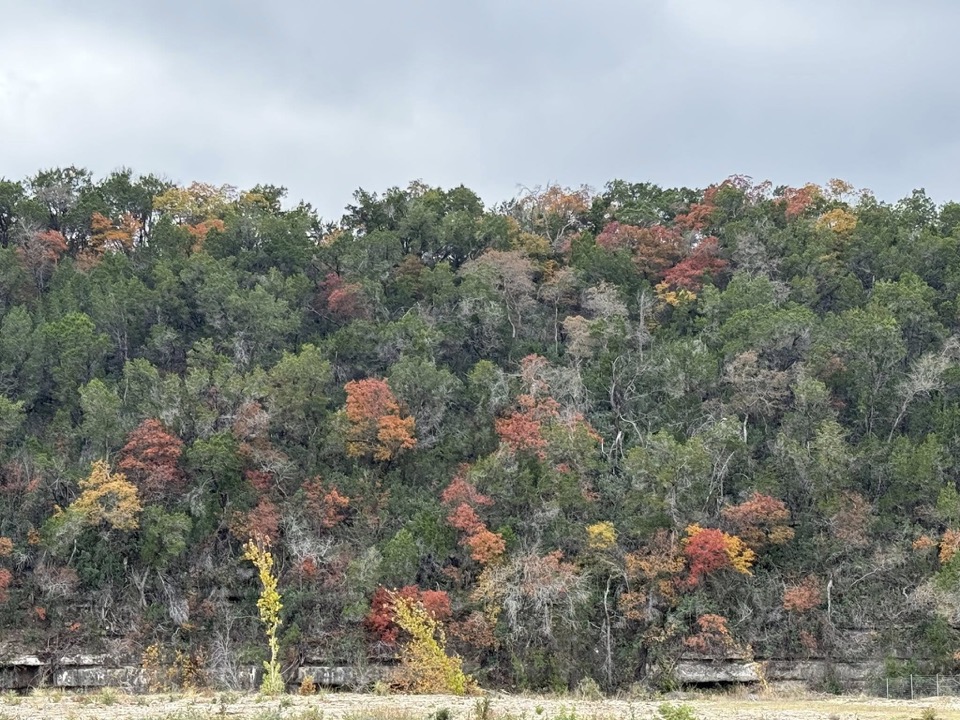
In 1906, Bell Turner and his wife Rose deeded 1.5 acres to Travis County "for a public free school and burial grounds and church purposes." An additional acre was added in 1910. This land became the home of both the Nameless Cemetery and the Fairview School (now the Nameless Schoolhouse).
But the community was already here. The earliest known burial in the cemetery dates to 1882: Rudolf Kauffman, age two. The earliest grave in the broader Nameless area belongs to Eliza Gray, buried at the Gray Family Cemetery that same year.
The Community
By 1884, the Nameless community had around 50 residents, a church, a school, a general store, and a meat market. Settlers like Hubbard Gray, who donated land for the community's first school in 1877, built the infrastructure that made life possible in the cedar brakes west of Austin.
Many families here were cedar choppers: rural Texans who made their living cutting and selling cedar posts and fence rails. Cotton, cedar posts, and rails were the principal commodities shipped from the Nameless area.
The Schoolhouse
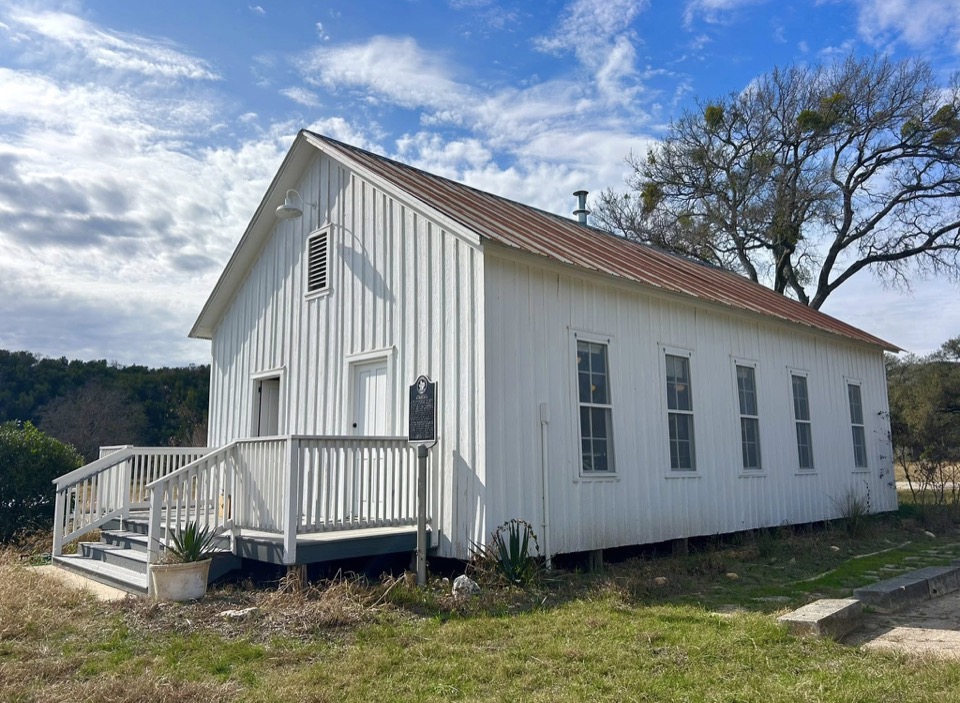
The current schoolhouse was built in 1909: a white board-and-batten, one-room building with a wood-burning stove. It operated as Fairview School until 1945, when Leander consolidated its outlying schools. In 1992, the Friends of Nameless School incorporated as a nonprofit to preserve the building.
In 2009, the schoolhouse was restored for its centennial. That same year, Carolyn Davis Bonnet and two others formed the Nameless Cemetery Association to care for the adjacent burial ground.
The Gray Homestead
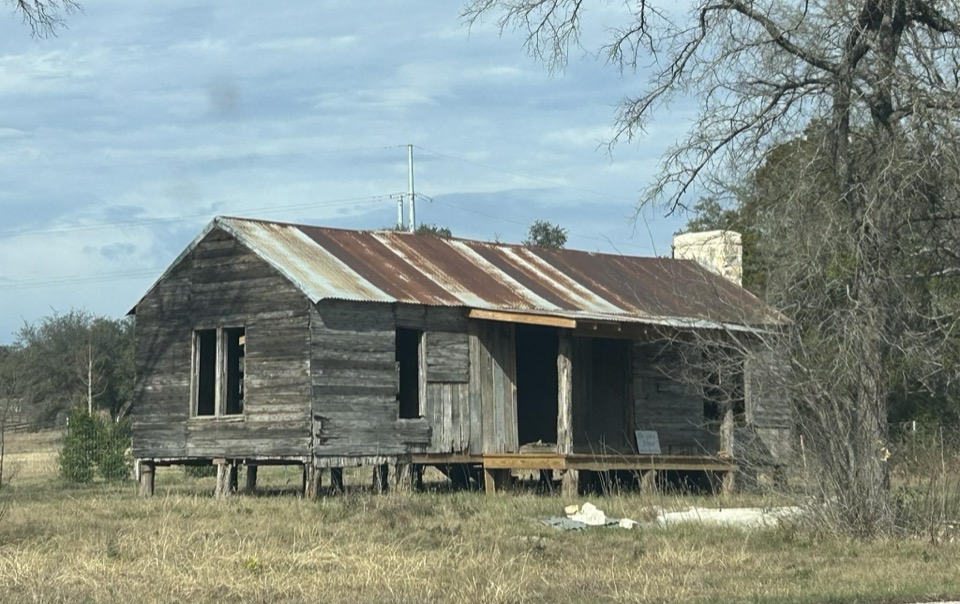
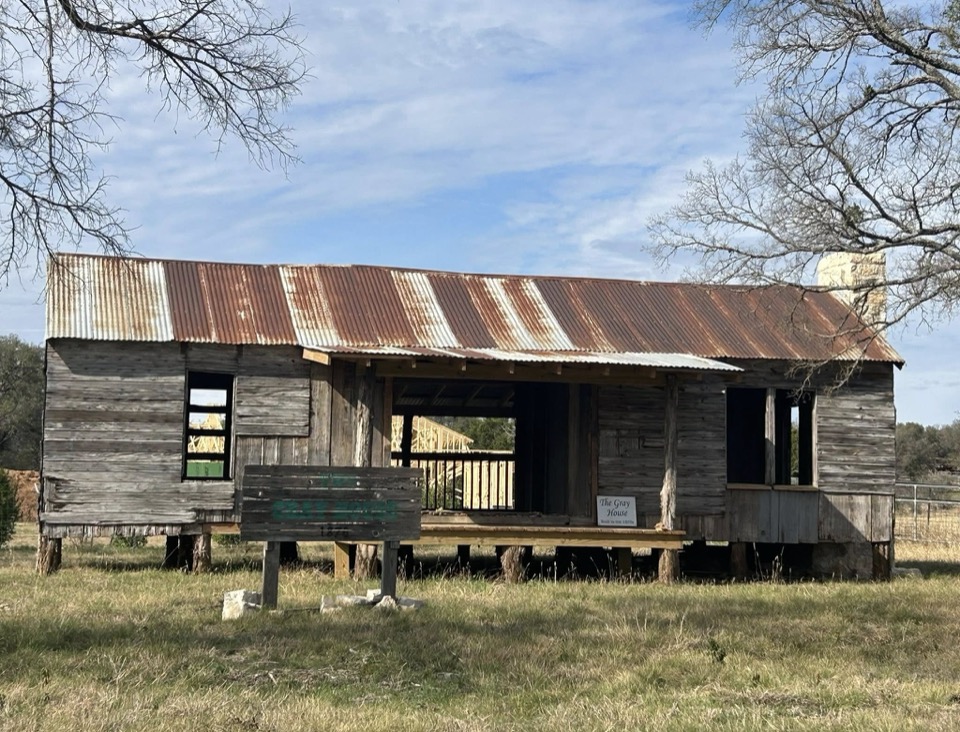
In 2023, Paula Fiedler discovered the original 1873 Gray homestead near the Travisso subdivision. The cedar dog-run style house (two rooms separated by a central open area) was relocated in October 2024 across Nameless Road to the historic school site. Travisso developer Taylor Morrison donated $15,000 for the move.
The Gray Family Cemetery, where Eliza and likely Hubbard Gray are buried, received its own Historic Texas Cemetery designation in 2024.
Historic Texas Cemetery
On February 7, 2007, Nameless Cemetery received its Historic Texas Cemetery designation from the Texas Historical Commission (Atlas #7453008005). This legal designation provides certain protections and recognizes the cemetery's historical significance to the state.
The 2025 Flood
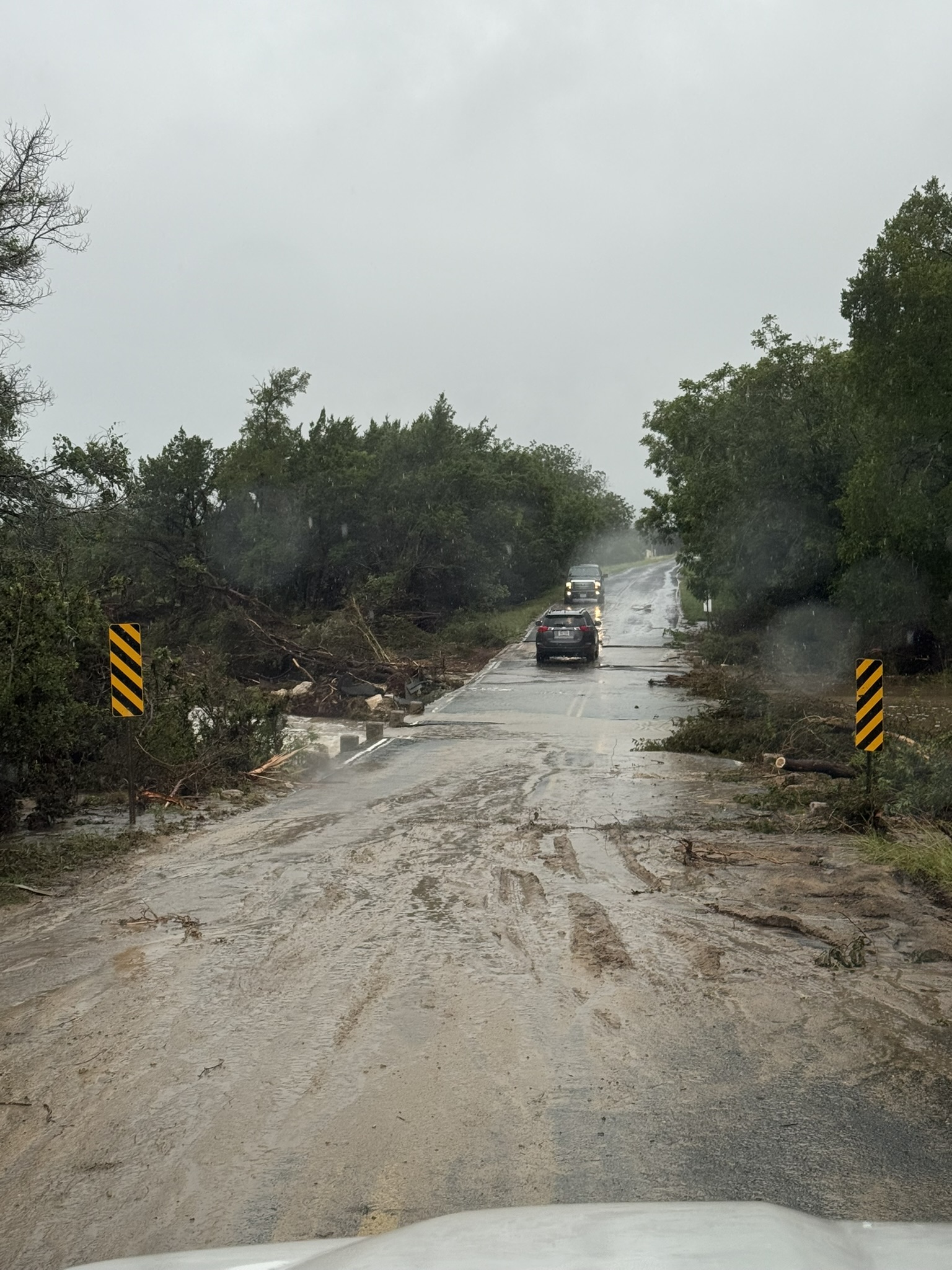
On July 4-5, 2025, severe flooding from Sandy Creek devastated the cemetery. Headstones were knocked over, the perimeter fence was destroyed, and debris and erosion damaged the grounds. Over 100 volunteers from organizations including Fund Texas Forever and IBEW organized community workdays to reset headstones, rebuild fencing, and reseed the landscape.